

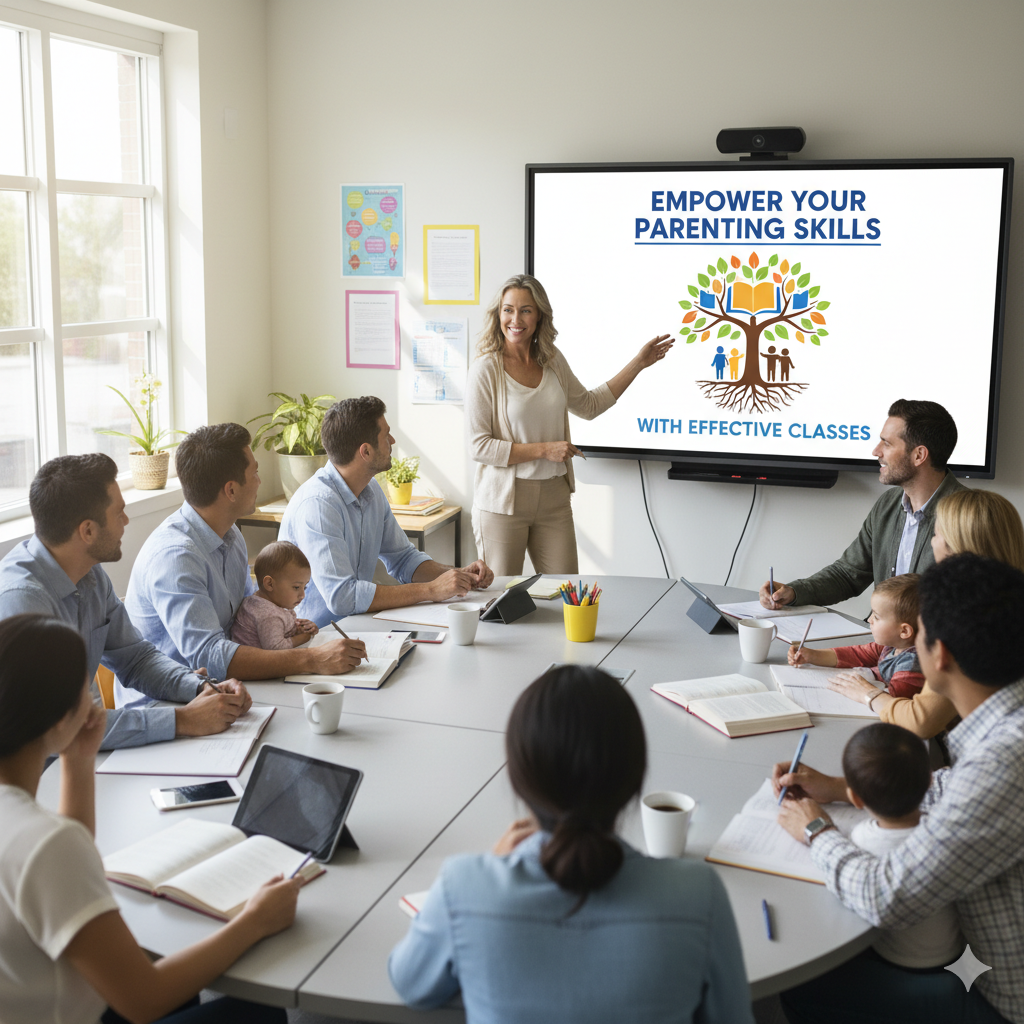
Parenting is one of life’s most rewarding yet challenging journeys. Every parent wants to raise confident, kind, and resilient children—but doing so requires more than instinct. It demands knowledge, patience, and the right set of tools. That’s where effective parenting classes come in.
These programs don’t just teach discipline techniques; they equip parents with a deeper understanding of child development—covering emotional, cognitive, and behavioral growth from infancy to adolescence. By joining such classes, caregivers learn how to nurture children’s potential, build stronger family bonds, and foster an environment where every child thrives.
Understanding Child Development: The Foundation of Effective Parenting
Child development is a complex process that involves physical, cognitive, emotional, and social changes as children grow. Each stage—from infancy to adolescence—brings unique milestones and challenges. Parents who understand these stages can respond more effectively to their child’s evolving needs.
Early Childhood: The Crucial Years
The first three years of life are often called the “foundation years.” During this period, the brain develops rapidly, forming connections that influence learning, language, and emotional regulation. Parents can encourage healthy growth through activities like reading aloud, talking frequently, and providing safe opportunities for exploration.
According to child development theorist Jean Piaget, cognitive growth happens in stages. In the sensorimotor stage (0–2 years), babies learn through movement and sensory experiences. They discover the world by touching, seeing, and hearing. Parents who engage in play, gentle communication, and consistent routines help strengthen this process.
As children enter the preoperational stage (ages 2–7), they begin to think symbolically and use language more effectively. However, their reasoning skills are still developing. At this age, children may struggle to understand perspectives other than their own. Parenting classes teach caregivers how to use storytelling, pretend play, and gentle guidance to nurture empathy and problem-solving abilities.
Middle Childhood and Adolescence: Growing Independence
By the concrete operational stage (7–11 years), children begin thinking logically about concrete events. Parents can support them by encouraging curiosity, asking open-ended questions, and involving them in daily decisions.
In adolescence, the formal operational stage begins, marked by abstract thinking and identity exploration. Parenting teenagers requires balance—offering freedom while maintaining boundaries. Classes on adolescent psychology can help parents navigate this period with confidence, empathy, and patience.
Positive Discipline: Guiding Without Punishment
Many traditional parenting methods focus on obedience through punishment. However, modern parenting emphasizes positive discipline, a strategy rooted in respect, understanding, and consistency. Positive discipline teaches children responsibility while maintaining their dignity.
Setting Clear Expectations
Children thrive when they know what’s expected of them. Instead of vague commands like “behave,” effective parents set specific, realistic expectations. For example, instead of saying, “Don’t be mean,” you might say, “Speak kindly to your sister.”
When children understand why a rule exists, they’re more likely to follow it. If a child hits their sibling, a parent can calmly explain, “Hitting hurts others. When you feel angry, let’s take a deep breath or talk about it.” This teaches emotional regulation and empathy simultaneously.
The Role of Natural Consequences
One of the best ways for children to learn responsibility is through natural consequences. Instead of imposing punishments, allow children to experience the results of their actions safely.
For instance, if a child forgets to bring their lunch to school, feeling hungry during the day helps them remember next time. If they refuse to wear a coat on a cold day, they’ll quickly understand why dressing warmly matters. This approach builds self-awareness without damaging the parent-child relationship.
Positive Reinforcement
Equally important is the power of positive reinforcement—rewarding good behavior to encourage repetition. Praise can be as simple as saying, “I’m proud of how you shared your toys,” or “You did a great job cleaning up without being asked.”
Children who feel noticed for their positive actions develop self-confidence and internal motivation to behave responsibly.
Mastering Effective Communication with Children
Healthy communication is the heart of successful parenting. It’s not just about giving instructions—it’s about listening, understanding, and connecting.
Speak Their Language
Using age-appropriate language helps children understand expectations and emotions. Rather than saying, “You need to control your emotions,” a parent might say, “It’s okay to be sad or angry, but let’s find a way to calm down together.”
Breaking complex ideas into simple terms ensures that children comprehend what you’re saying and feel supported, not criticized.
The Art of Active Listening
Listening is just as vital as speaking. When children talk, give them your full attention—put away distractions and make eye contact. Respond with empathy instead of immediate solutions.
For example, if your child says, “My friend didn’t play with me today,” instead of dismissing it with, “That’s okay, you’ll play tomorrow,” try responding, “That must have hurt your feelings. Do you want to tell me what happened?” This acknowledgment validates their emotions and strengthens trust.
Building Resilience: Teaching Children to Overcome Challenges
Life is full of ups and downs, and children must learn to navigate challenges with confidence. Resilience—the ability to recover from setbacks—is one of the most valuable traits parents can teach.
Encouraging Problem-Solving
When children face difficulties, resist the urge to solve every problem for them. Instead, guide them through the process. For example, if they’re struggling with homework, ask, “What’s the first step you could take?” or “How might you try a different approach?”
This method fosters independence and critical thinking while showing that mistakes are opportunities to learn.
Fostering a Growth Mindset
Psychologist Carol Dweck popularized the concept of a growth mindset, the belief that abilities develop through effort. Parents can nurture this by praising persistence rather than innate ability.
Instead of saying, “You’re so smart,” say, “I love how hard you worked on that.” This subtle change encourages children to view challenges as chances to improve rather than threats to avoid.
Letting Them Take Safe Risks
Allowing children to make age-appropriate decisions—like choosing their outfit or managing small budgets—teaches responsibility. Even when they make mistakes, they learn valuable lessons in decision-making and resilience.
Nurturing Emotional Intelligence (EI)
Emotional intelligence is the capacity to recognize, understand, and manage emotions—both one’s own and others’. Studies show that children with high EI are more empathetic, socially skilled, and mentally resilient.
Model Emotional Awareness
Children learn emotional regulation by observing adults. When parents calmly manage frustration, take deep breaths, or express sadness appropriately, children mirror those behaviors.
Instead of hiding emotions, verbalize them: “I’m feeling a little stressed, so I’m going to take a short break.” This demonstrates healthy coping mechanisms and normalizes emotional expression.
Encourage Emotional Conversations
Talk openly about feelings. Ask questions like, “How did that make you feel?” or “What do you think your friend was feeling?” These discussions expand emotional vocabulary and empathy.
Storytelling and role-playing are also powerful tools for teaching emotional understanding. They help children visualize different emotions and learn how to respond compassionately.
Creating a Supportive Family Environment
A nurturing home environment lays the groundwork for emotional stability and healthy relationships.
Establishing Family Routines
Consistency gives children a sense of security. Simple rituals—like family dinners, bedtime stories, or weekly game nights—create connection and stability. These moments become cherished memories and reinforce family unity.
Prioritizing Mental Health
Openly discussing mental health helps remove stigma and builds emotional safety. Encourage your children to talk about stress, sadness, or anxiety without fear of judgment.
Parents can also educate themselves about coping mechanisms, such as mindfulness and relaxation techniques, to model emotional care.
Turning Mistakes into Learning Opportunities
When mistakes happen, treat them as teaching moments rather than failures. Instead of scolding, discuss what can be done differently next time. This approach builds confidence, accountability, and resilience within the family.
The Role of Parenting Classes in Modern Families
Parenting classes are not about fixing “bad” parenting—they’re about enhancing what’s already good. These classes offer research-based insights into child psychology, discipline, and communication.
In structured sessions, parents learn how to manage behavioral issues calmly, communicate effectively, and balance discipline with love. They also gain practical tools to handle tantrums, sibling rivalry, screen-time challenges, and teenage rebellion.
Moreover, parenting classes provide community support. Sharing experiences with other parents fosters understanding and reassurance that no one is alone in their struggles.
Conclusion: Building the Future, One Child at a Time
Parenting is not a destination—it’s a lifelong learning process. By understanding child development, practicing positive discipline, nurturing emotional intelligence, and building resilience, parents can shape their children into confident, empathetic, and capable individuals. Effective parenting classes act as a guiding light in this journey. They empower caregivers with strategies, insights, and confidence to raise happy, healthy children while maintaining their own well-being. Ultimately, the goal isn’t perfection—it’s connection, compassion, and growth. When parents learn, children flourish—and the entire family thrives.











Leave a Reply