
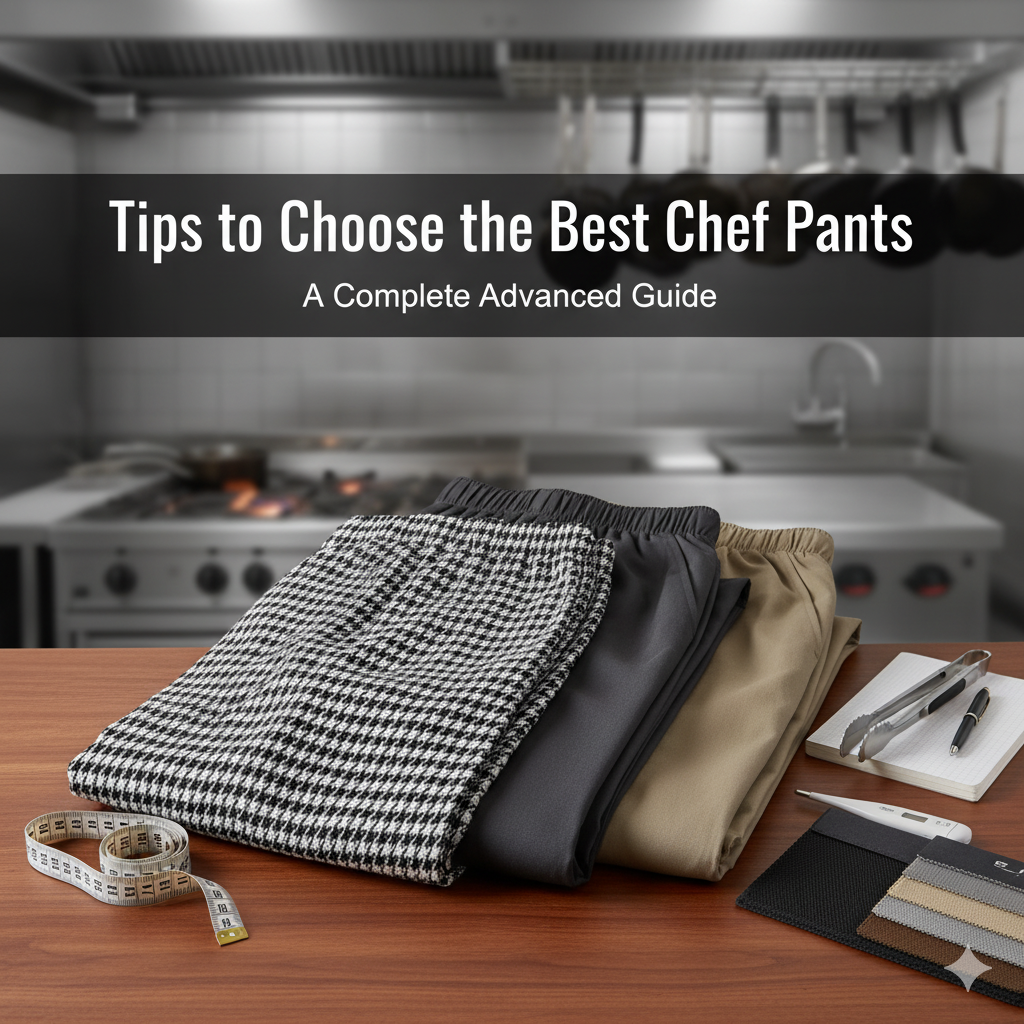
Whether you are a seasoned culinary professional or a new cook stepping into the world of commercial kitchens for the first time, your uniform plays an important role in your everyday performance. While chef jackets often receive the most attention, chef pants are just as essential. They influence your comfort, mobility, safety, and the overall professionalism you convey to colleagues and customers.
Many people outside the culinary field rarely consider what chefs wear below the waist. Yet for those who spend long hours in hot, high-pressure kitchen environments, the right pair of chef pants can significantly enhance efficiency and reduce physical strain. This in-depth guide explores everything you need to know about choosing the best chef pants, from traditional styles to customization options, fabric selection, fit preferences, and pricing.
What Are Chef Pants and Why Are They Essential in a Professional Uniform?
Chef pants are a fundamental component of the professional chef’s uniform. Their primary purpose extends beyond simple clothing—they act as functional protection, comfort enhancers, and professional identifiers.
1. Functionality
Chef pants are designed with the realities of restaurant kitchens in mind. They typically include:
- Multiple pockets for carrying small tools, notepads, pens, thermometers, and other essentials.
- Elastic or drawstring waistbands to provide maximum mobility and adjustability during long shifts.
- Fabric blends that withstand heat, stains, and continuous movement.
Unlike regular trousers, chef pants allow chefs to bend, stretch, kneel, and move quickly without discomfort.
2. Comfort
A professional kitchen is a physical environment. Heat, steam, oils, and constant movement can make standard clothes feel restrictive or uncomfortable. Chef pants are crafted using breathable fabrics—often cotton, polyester, or a blend of both—to ensure that chefs remain cool and comfortable throughout their shift.
Comfort is not a luxury in a kitchen; it is a necessity. Poorly designed pants can restrict movement, trap heat, and cause fatigue, ultimately affecting a chef’s performance.
3. Professionalism and Identity
Chef uniforms symbolize authority, skill, and discipline. Chef pants, when paired with a crisp jacket and apron, help create a polished, cohesive appearance.
In many restaurants, especially high-end or traditional establishments, the chef’s uniform communicates:
- Cleanliness
- Consistency
- Professional credibility
Therefore, chef pants hold aesthetic as well as practical value.
Are Traditional Chef Pants Still in Style? A Look at Trends in Modern Kitchens
Traditional chef pants—typically loose-fitting, lightweight, and white or houndstooth—remain widely recognized in the culinary world. Their design dates back decades and was created with utility and comfort in mind.
What Do Traditional Chef Pants Look Like?
Classically, chef pants feature:
- A loose, relaxed fit
- A lightweight fabric, often cotton
- Elastic waistbands for flexibility
- Simple colors such as white, black, or the iconic black-and-white houndstooth pattern
The houndstooth print was historically used to disguise minor stains that might occur during service, allowing chefs to maintain a clean appearance even in the busiest shifts.
Are They Still Trendy Today?
Absolutely. While modern kitchens are experimenting with slimmer fits, darker shades, and more contemporary fabrics, traditional chef pants remain relevant for several reasons:
- They are inexpensive.
- They provide excellent airflow.
- They are comfortable for long shifts.
- They reduce visible stains.
Most chefs still prefer them, especially in fast-paced environments where comfort and convenience outweigh style.
Thus, while trends evolve, the traditional chef pant remains a staple in the global culinary uniform.
Key Factors to Consider When Choosing the Best Chef Pants
Selecting chef pants may seem simple, but several factors determine whether a pair will truly meet your needs. Considering the following elements will help you make an informed purchase.
1. Fabric Quality and Type
Fabric is the most important factor because it influences durability, comfort, breathability, and stain resistance.
Cotton
- Breathable
- Soft and comfortable
- Ideal for hot kitchen environments
However, cotton stains easily and may wear out faster with frequent washing.
Polyester
- Stronger and more durable
- Excellent stain resistance
- Less prone to fading
On the downside, polyester can feel warmer, especially in high-heat kitchens.
Poly-Cotton Blends
A combination of the two offers the best of both worlds:
- Comfort
- Durability
- Better performance in high-temperature environments
Many professional kitchens prefer blended fabrics for balanced functionality.
2. Style: Baggy vs. Slim Fit
Comfort and safety largely depend on how chef pants fit. The two major styles include:
Baggy Chef Pants
Pros:
- Maximum breathability
- Good airflow
- Comfortable movement
Cons:
- Excess fabric can pose a fire hazard
- May look less modern or polished
Slim-Fit Chef Pants
Pros:
- Sleek, modern appearance
- Less risk of catching fire or snagging on equipment
- Professional and well-tailored
Cons:
- Slightly less comfortable for chefs who prefer loose clothing
- Choosing between the two depends on your personal preferences and your kitchen’s dress code.
3. Price and Budget
Chef pants can range from under $20 to well over $100, depending on:
- Brand reputation
- Fabric quality
- Fit style
- Added features such as reinforced stitching or extra pockets
While budget-friendly pants may work well for beginners, long-term professionals often benefit from investing in premium quality for durability and comfort.
4. Functionality: Are Pockets and Comfort Features Necessary?
Professional chefs rely on multitasking. Pockets play a crucial role in their efficiency.
Essential Features
- Pockets: Deep and secure pockets help store tools, notebooks, timers, etc.
- Elastic waistbands: Provide flexibility and ease of movement.
- Breathable fabric: Essential for hot kitchens.
- Heat resistance: Protects against spills or steam.
In Australia and many countries, pockets and breathable fabrics are often a requirement, not a luxury.
Finding the Perfect Fit: What Style Suits You Best?
Comfort is subjective. Some chefs prefer free-flowing pants that keep them cool, while others want slim-fit pants that support precise movement.
Before choosing, consider:
- Your kitchen environment (hot kitchens may require looser styles).
- Your movement patterns (bending, lifting, rushing during service).
- Personal comfort preferences.
- Your restaurant’s dress code.
Trying on different styles—or purchasing from brands with easy return policies—can help you find the perfect fit.
Should You Invest in Customized Chef Pants?
Customization is becoming more popular as chefs seek uniforms that reflect personal branding, body type, and comfort needs.
Benefits of Customized Chef Pants
- Perfect, tailored fit
- Choice of fabric
- Ability to select pocket placement or size
- Personalized design or color
- Improved comfort for long shifts
Cost Considerations
Custom chef pants cost significantly more than ready-made options. Prices vary based on:
- Tailoring services
- Fabric selection
- Special features (reinforced seams, embroidery, etc.)
While custom options are ideal for professionals with specific needs, off-the-rack pants remain the most practical option for everyday use.
Conclusion
Choosing the right chef pants is an essential part of building a professional, comfortable, and functional kitchen uniform. A well-designed pair not only supports mobility and breathability during long hours in a hot, demanding environment but also contributes to a chef’s overall appearance and confidence. Whether you prefer traditional loose-fit designs or modern slim-fit styles, the key is to select pants that align with your comfort needs, work habits, and kitchen conditions. Factors such as fabric quality, durability, pockets, waistband design, and price all play an important role in finding the perfect pair. For chefs seeking exceptional comfort or a personalized touch, custom-made pants can offer a tailored fit and added convenience. Ultimately, the best chef pants are those that allow you to move freely, stay cool under pressure, and maintain a professional look throughout every shift. With the right choice, your uniform becomes an asset—not just attire.










Leave a Reply