

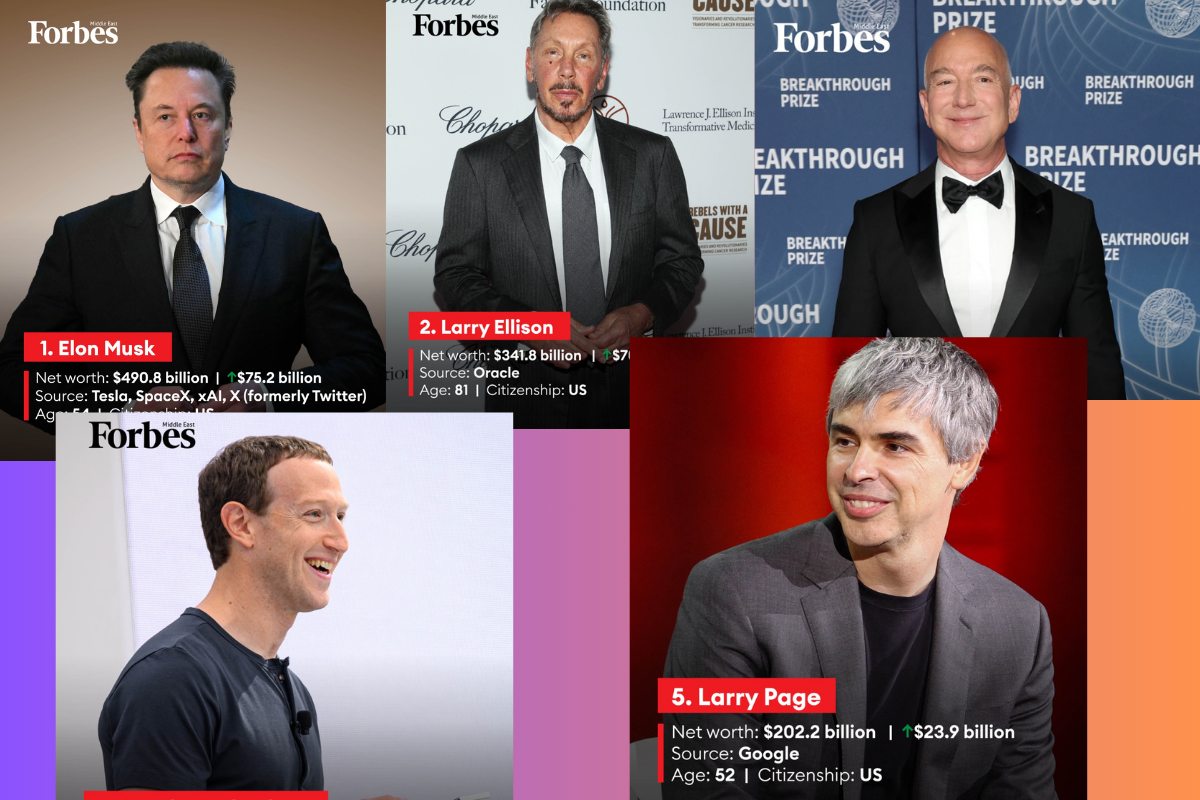
ew names in the world of technology are as instantly recognizable as Mark Zuckerberg. Known as the co-founder and CEO of Facebook—now rebranded as Meta Platforms Inc.—Zuckerberg’s journey from a Harvard dorm room to the top of Silicon Valley is one of the most remarkable stories of the digital age. His influence on how billions of people connect, communicate, and consume information is undeniable. Yet, as technology evolves, so does the man who helped define social media itself.
In this article, we’ll explore Mark Zuckerberg’s early life, his rise as an entrepreneur, his leadership challenges, and his bold bet on the metaverse—while considering what the future might hold for one of the most influential figures in modern tech.
Early Life and the Birth of a Programmer
Mark Elliot Zuckerberg was born on May 14, 1984, in White Plains, New York. Raised in nearby Dobbs Ferry, he showed a fascination with computers and programming from an early age. His father, Edward Zuckerberg, a dentist, and his mother, Karen, a psychiatrist, encouraged his curiosity about technology.
By middle school, Mark Zuckerberg was already creating basic computer programs. One of his earliest projects was a messaging tool called ZuckNet, which allowed computers in his home and his father’s dental office to communicate. It was a primitive form of instant messaging—long before WhatsApp or Facebook Messenger existed.
During his teenage years, Zuckerberg attended Phillips Exeter Academy, where he continued developing software projects and even built a music recommendation program called Synapse. The program caught the attention of big tech companies like Microsoft and AOL, both of which reportedly offered to buy it—and hire him. Zuckerberg declined, choosing instead to attend Harvard University in 2002.
The Creation of Facebook
While at Harvard, Mark Zuckerberg quickly gained a reputation as a skilled programmer. His early projects included CourseMatch, which helped students select classes based on the choices of their peers, and Facemash, a controversial site that allowed users to compare students’ photos. Though Facemash was short-lived—it violated Harvard’s privacy policies—it hinted at Zuckerberg’s growing interest in connecting people through digital platforms.
In February 2004, Zuckerberg launched TheFacebook.com, a website initially designed as an online directory for Harvard students. The site’s rapid popularity inspired him and his roommates—Dustin Moskovitz, Chris Hughes, and Eduardo Saverin—to expand it to other Ivy League universities, and eventually, colleges across the U.S.
By the end of 2004, Facebook had over a million users. What began as a student project quickly evolved into a full-fledged startup, and Zuckerberg decided to drop out of Harvard to focus on its growth. That decision would change the landscape of the internet forever.
Facebook’s Meteoric Rise
As Facebook expanded, Mark Zuckerberg demonstrated not only technical genius but also strategic vision. He relocated the company to Palo Alto, California, placing it at the heart of Silicon Valley’s innovation ecosystem. Under his leadership, Facebook evolved from a college network into the world’s leading social media platform.
Key milestones included the introduction of the News Feed in 2006, the acquisition of Instagram in 2012, and the purchase of WhatsApp in 2014. These moves consolidated Facebook’s dominance in the social media space and extended its reach across the globe.
By 2020, Facebook had over 2.8 billion active users, making it one of the most influential communication platforms in history. Zuckerberg’s focus on user growth, product innovation, and long-term strategy helped build one of the most valuable companies in the world.
Challenges and Controversies
However, Mark Zuckerberg’s journey has not been without challenges. Facebook has faced significant scrutiny over privacy, misinformation, and the influence of social media on politics and mental health.
The Cambridge Analytica scandal in 2018 marked one of the lowest points in Facebook’s history. The revelation that personal data from millions of users had been harvested for political advertising damaged public trust and brought Zuckerberg before the U.S. Congress. His calm but defensive testimony became one of the most widely watched moments in tech industry history.
Despite these controversies, Zuckerberg has remained resilient. He has often acknowledged mistakes while defending Facebook’s mission to “give people the power to build community and bring the world closer together.” For better or worse, his company has shaped global conversations about privacy, free speech, and the role of technology in democracy.
The Transformation to Meta and the Metaverse Vision
In October 2021, Mark Zuckerberg announced that Facebook would rebrand as Meta Platforms Inc., signaling a new strategic direction focused on the metaverse—a shared virtual space where people can work, play, and interact using augmented and virtual reality technologies.
The rebrand reflected Zuckerberg’s belief that social connection would evolve beyond flat screens to immersive digital worlds. He envisioned a future where users could attend concerts, collaborate on projects, and explore vast digital landscapes using avatars.
Meta’s major investments in Oculus VR, augmented reality research, and AI-driven platforms demonstrate Zuckerberg’s long-term commitment to building this next frontier of the internet. While critics argue that the metaverse remains speculative, Zuckerberg sees it as the natural evolution of human communication.
Leadership Style and Philosophy
Mark Zuckerberg is often described as both a visionary and a controversial leader. His management style is characterized by intense focus, data-driven decision-making, and an unrelenting drive for innovation. Early Facebook employees often recalled his mantra: “Move fast and break things.” This philosophy encouraged experimentation and risk-taking, though it sometimes led to public backlash when things went wrong.
Over time, Zuckerberg’s leadership evolved. Recognizing the social impact of his platforms, he has placed more emphasis on responsibility and ethics. He frequently speaks about the importance of long-term thinking, believing that transformative technology requires patience and persistence.
Personal Life and Philanthropy
Beyond the boardroom, Mark Zuckerberg leads a relatively private life. He married Priscilla Chan, a pediatrician, in 2012, and together they have three daughters. In 2015, the couple founded the Chan Zuckerberg Initiative (CZI), pledging to give away 99% of their Facebook shares to support causes related to education, health, and science.
Through CZI, Zuckerberg and Chan have funded numerous projects aimed at eradicating disease, improving educational access, and advancing scientific research. Their approach combines philanthropy with data-driven innovation—reflecting Zuckerberg’s belief that technology can be a force for good.
The Future of Mark Zuckerberg’s Legacy
As Mark Zuckerberg enters his forties, he remains one of the most influential figures in global technology. His bet on the metaverse represents not just a business strategy but a philosophical vision for the future of human interaction. Whether or not this vision succeeds, it underscores his willingness to think beyond current trends and imagine what comes next.
Zuckerberg’s legacy will likely be defined by both his triumphs and his controversies. He helped create a platform that connected billions, but also one that raised profound questions about privacy, truth, and social responsibility. Still, few can deny his impact on the way we communicate, learn, and live in the digital age.
Conclusion
Mark Zuckerberg stands as a symbol of modern innovation—complex, ambitious, and endlessly curious. From his teenage experiments in coding to leading one of the most powerful companies on Earth, his story embodies the promise and peril of the digital revolution.
As the world watches Meta’s next chapter unfold, Zuckerberg continues to push boundaries, exploring how technology can extend human potential. Love him or criticize him, Mark Zuckerberg’s influence is woven into the fabric of the internet itself—and his journey is far from over.











Leave a Reply